Key Takeaways:
- Hidden animal products are sometimes behind complex names on packaging.
- Standard allergen alerts highlight ingredients such as dairy or eggs, but overlook hidden animal-derived substances.
- Common food emulsifiers fluctuate between plant and cattle sources based on cost, meaning you need an explicit vegetable-derived label or certification to be sure that they’re completely plant-based.
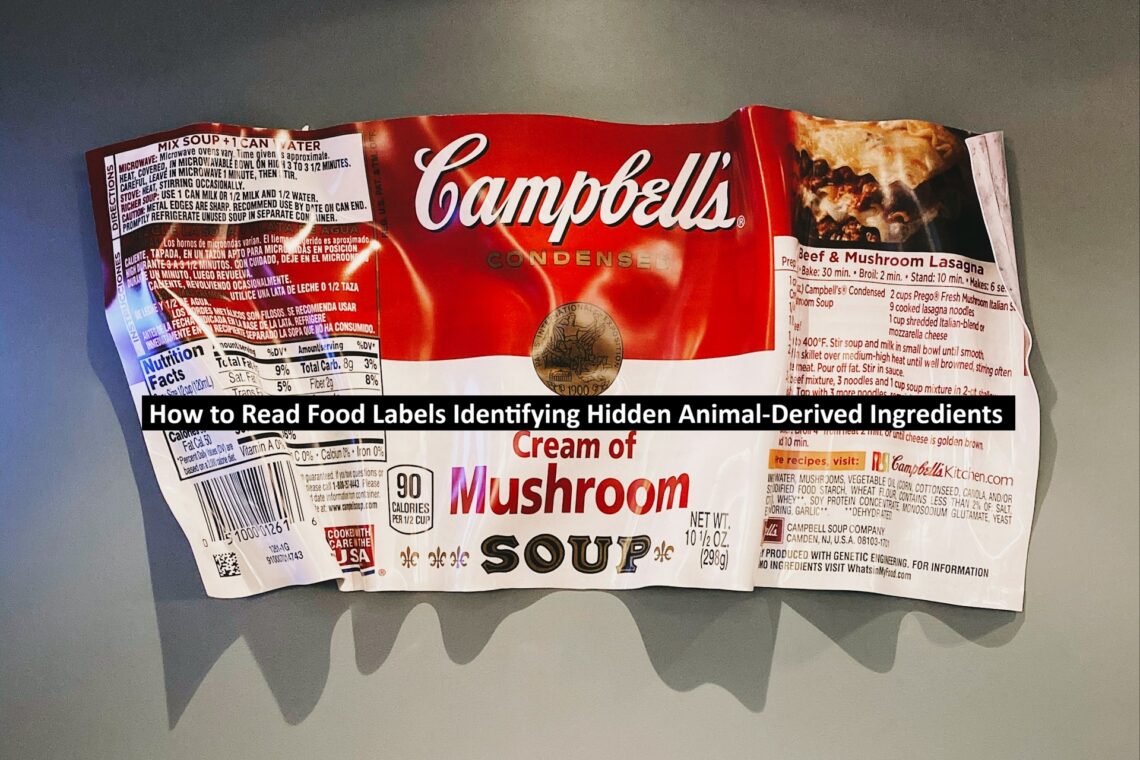
Have you ever looked at a food box, confused by an ingredient’s name? You’re not alone. When you’re trying out a plant-based diet or looking to cut animal products, shopping can become a guessing game.
It’s easy to trust a package just because it has a green leaf design or clean branding. But hidden animal derivatives can slip into the most basic pantry staples when you least expect it.
Learning to read an intricate ingredient list changes everything. Once you know how to spot these stealthy additions, you retake control over your own fridge.
The Secret World of Food Packaging
Reading product labels effectively is an essential skill that can transform how you shop. Big processing plants follow strict legal frameworks to decide what information makes it onto the cardboard box or jar.
While laws force brands to print major allergen warnings, plenty of animal elements hide behind tangled chemical terms. Food companies frequently use these substances to fix textures, keep items stable, or boost background flavors.
You’ll constantly run into deep technical jargon born in laboratories instead of normal kitchens. This means an ingredient can sound totally plant-based or artificial when it actually comes from a slaughterhouse byproduct.
Read: Delicious Wholesome Breakfast To Start Your Day Right
Everyday Ingredients to Identify
To understand your food better, you should learn a few distinct words that point straight to livestock or insect sources. Large brands rely on these items to change food thickness or extend shelf life.
Thickening Agents
Gelatin is a clear protein made by boiling animal parts. It thickens gummy candies, marshmallows, yogurts, and gel-cap vitamins. If a foodstuff has a jelly-like bounce but doesn’t list a vegan substitute like agar-agar, you’ll usually find gelatin.
Dairy Derivatives
Whey and casein are distinct proteins isolated during milk processing. Whey powder coats many chips brands, while casein is used in processed meats. Watch out for tricky words like sodium caseinate.
Natural Colorings
Carmine is a bright red dye found in strawberry juices, cake fillings, and hard candies. Many people don’t realize that it comes from cochineal bugs. Look for names like cochineal extract, carmine, or Natural Red 4.
Hidden Animal Additives Reference Table
| Ingredient Name | Common Application | Typical Source |
| Lanolin | Vitamin Fortification | Sheep’s Wool |
| Isinglass | Beverage Clarification | Fish Bladders |
| L-Cysteine | Dough Conditioners | Poultry Feathers |
| Rennet | Cheese Production | Animal Enzymes |
| Tallow | Frying Fats | Rendered Animal Fat |
Identifying Other General Additives
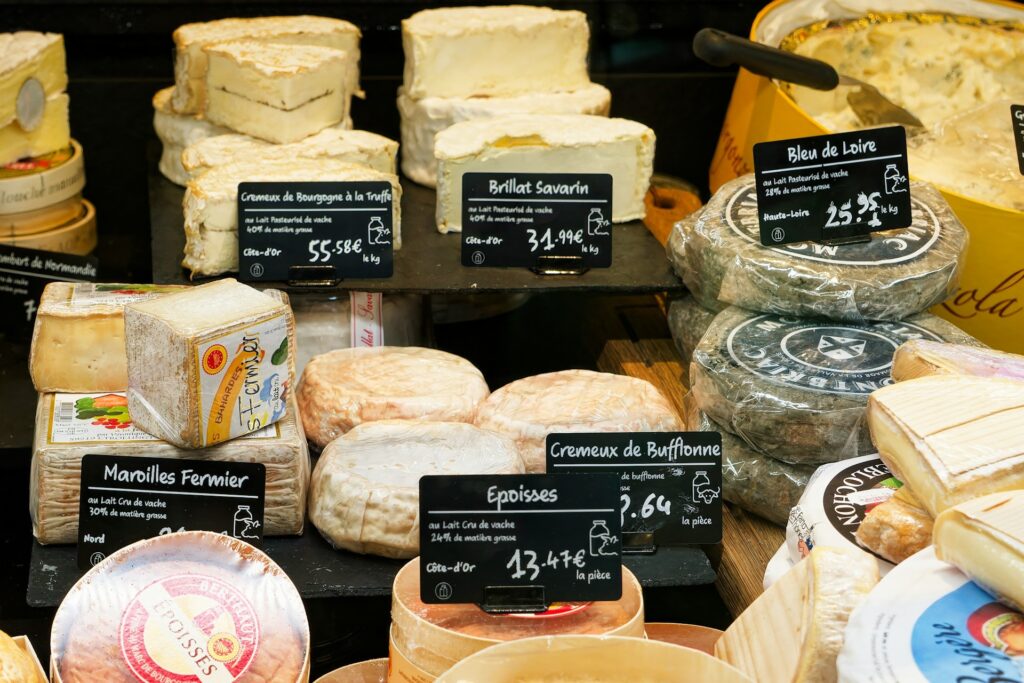
Many basic emulsifiers come from a mix of different possible sources. For example, particular fatty acids can come from either plants or cattle, depending on which option costs less that week.
Monoglycerides and Diglycerides
These everyday texturizers blend oil and water so your salad dressings don’t separate on store shelves. They show up commonly in commercial peanut butters, baked treats, and margarines. Unless the label states “vegetable-derived,” assume these fats come from animals.
Vitamin Sources
Factories regularly drop Vitamin D3 into breakfast cereals, milks, and juices to boost nutritional scores. But it usually comes from the lanolin found in raw sheep wool. Shoppers seeking totally animal-free edibles need to search out options with vitamin D2 or vegan-certified D3.
Shopping Smart
- Read the allergen alert. Check the “Contains” statement at the bottom of the ingredient list for mandatory milk, egg, or fish declarations, but remember that non-allergenic animal byproducts won’t be highlighted here.
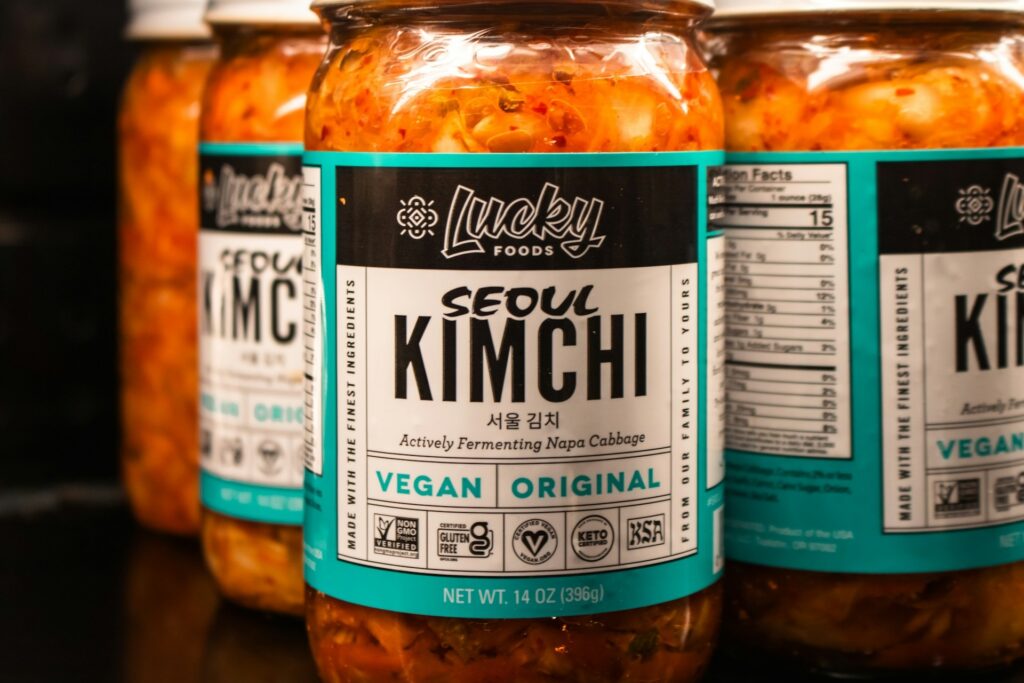
- Hunt for official seals. Look for “Certified Vegan” or “100% Plant-Based” stamps on the front of the box to instantly remove all the frustrating guesswork.
- Try smartphone apps. Use free mobile apps to scan barcodes when you’re right in front of the grocery shelf for a quick breakdown of tricky ingredients.
- Watch for chemical naming changes. Keep an eye out for full chemical terms on domestic labels, but if you love buying imported international snacks, remember to look up unknown European “E-number” additive codes online.
Your Map to Confident Grocery Shopping
Learning to decode ingredient lists is a great step for your wellness goals. Once you’ve trained your eyes to spot these hidden words, you can buy your food with assurance.
Taking thirty extra seconds to check a cardboard box containing your favorite snacks, bars, and treats and reading the details can protect your personal diet choices and give you true peace of mind, which matters. Becoming an informed consumer only lets you skip the hidden additives or maybe some dangerous substances, simplify your kitchen routine, and easily maintain a clean and healthy pantry.